2026-07-16
· 2 min
·
PostgreSQL
PostgreSQL's `exit_on_error` GUC promotes every error to a session-terminating event—but this fail-fast illusion masks a destructive truth.
0 comments
2026-07-15
· 2 min
·
PostgreSQL
Event triggers fire on DDL and login events, not rows—and a buggy one can lock out every user, even superusers.
0 comments
2026-07-14
· 2 min
·
PostgreSQL
Windows PostgreSQL logs messages to the Event Log under a name you choose with `event_source`—but Windows won't understand that name until you register it with…
0 comments
2026-07-13
· 3 min
·
PostgreSQL
A twenty-year-old warning that stays silent on modern PostgreSQL—until it spots a real problem hiding in your connection settings.
0 comments
2026-07-12
· 3 min
·
PostgreSQL
TID scans only happen when you explicitly ask for them via `ctid`, making `enable_tidscan` a knob you'll almost certainly never touch.
0 comments
2026-07-11
· 1 min
·
Python , Tools
A lightweight Datadog plugin for uWSGI monitoring, because sometimes the old guard needs observability too.
0 comments
2026-07-11
· 3 min
·
PostgreSQL
All Your GUCs in a Row: enable_sort
Disable `enable_sort` to fix a slow sort? Wrong target. Slow sorts need more `work_mem` or better indexes—not this GUC.
0 comments
2026-07-11
· 1 min
·
Python , Rust
Chisel: A transactional, crash-safe embedded storage engine
PGX introduces Chisel, a Rust-based key-value engine that guarantees crash safety through shadow paging, no write-ahead log or recovery needed.
0 comments
2026-07-10
· 3 min
·
PostgreSQL
All Your GUCs in a Row: enable_seqscan
`enable_seqscan = off` doesn't disable sequential scans—it penalizes them. The planner still uses them when it has no other option, and that's by design.
0 comments
2026-07-09
· 3 min
·
PostgreSQL
All Your GUCs in a Row: enable_self_join_elimination
You are rarely the only thing writing your SQL. Your ORM writes some of it, your nested views write more, and sooner or later one of them joins a table to itsel
0 comments
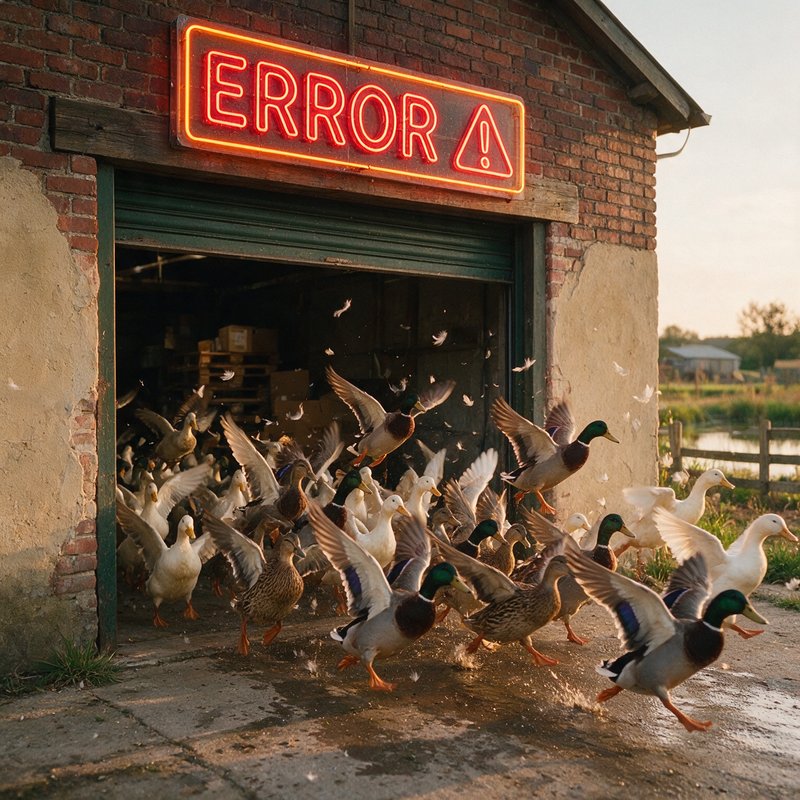 PostgreSQL's `exit_on_error` GUC promotes every error to a session-terminating event—but this fail-fast illusion masks a destructive truth.
 Event triggers fire on DDL and login events, not rows—and a buggy one can lock out every user, even superusers.
 Windows PostgreSQL logs messages to the Event Log under a name you choose with `event_source`—but Windows won't understand that name until you register it with…
 A twenty-year-old warning that stays silent on modern PostgreSQL—until it spots a real problem hiding in your connection settings.
 TID scans only happen when you explicitly ask for them via `ctid`, making `enable_tidscan` a knob you'll almost certainly never touch.
 Disable `enable_sort` to fix a slow sort? Wrong target. Slow sorts need more `work_mem` or better indexes—not this GUC.
 PGX introduces Chisel, a Rust-based key-value engine that guarantees crash safety through shadow paging, no write-ahead log or recovery needed.
 `enable_seqscan = off` doesn't disable sequential scans—it penalizes them. The planner still uses them when it has no other option, and that's by design.
 You are rarely the only thing writing your SQL. Your ORM writes some of it, your nested views write more, and sooner or later one of them joins a table to itsel